I still laugh remembering how the Pentagon’s most unlikely influencer had four legs and zero interest in my LinkedIn feed.
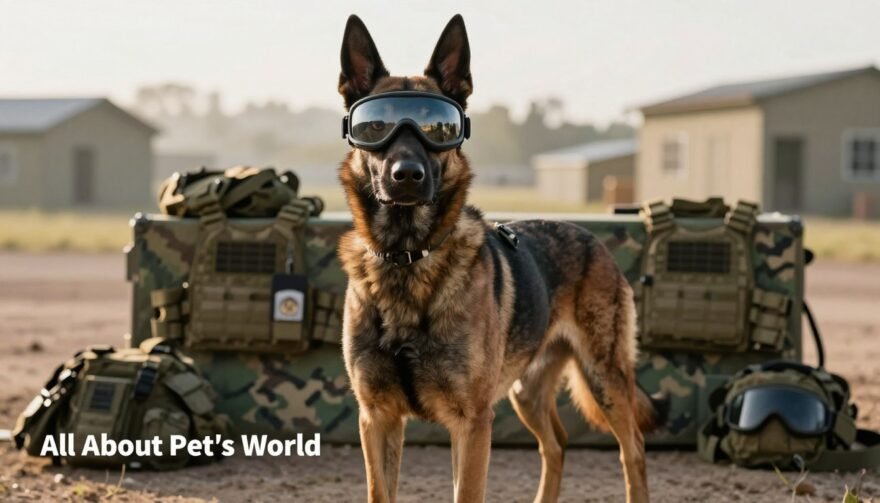
Let me introduce you to Doggles military dog — a nickname that stuck after a 2020 combat photo showed him in protective goggles during an explosives search. That image later popped up on the Department of Defense Global Directory login page and, yes, people noticed.
Nick military working dog spent eight years in uniform, seven of them at Fort Meade. He did real, dangerous work as an explosives-detection canine, and the face on the login screen was not just a cute distraction. It was a morale booster for folks logging in at 0500 with bad coffee and worse moods.
This is not fluff. The photo, the goggles, the street-cred — all part of his story. I’ll show you how that snapshot happened, why protective gear mattered, how the image was chosen, and how the tale led to a heartfelt military working dog retirement at Fort Meade and adoption by his handler.
Key Takeaways
- The login-photo fame grew from a 2020 combat image that resonated with service members.
- The real work behind the icon mattered: explosives detection saved lives.
- Visuals can boost morale in surprising ways across the force.
- The handler’s adoption gave the story a touching, human ending.
- Expect a look at how the photo was selected and why goggles were used.
How Doggles military dog Became the Face of the DoD Global Directory
What began as a candid moment during a 2020 deployment ended up on screens across the force.
Spc. Derek Mustard snapped the image at Al Asad Air Base on May 29, 2020. The photo showed a working canine in protective goggles during range familiarization. It was practical gear—debris, sand, and night-fire with Black Hawks make that clear—yet the shot had instant personality.
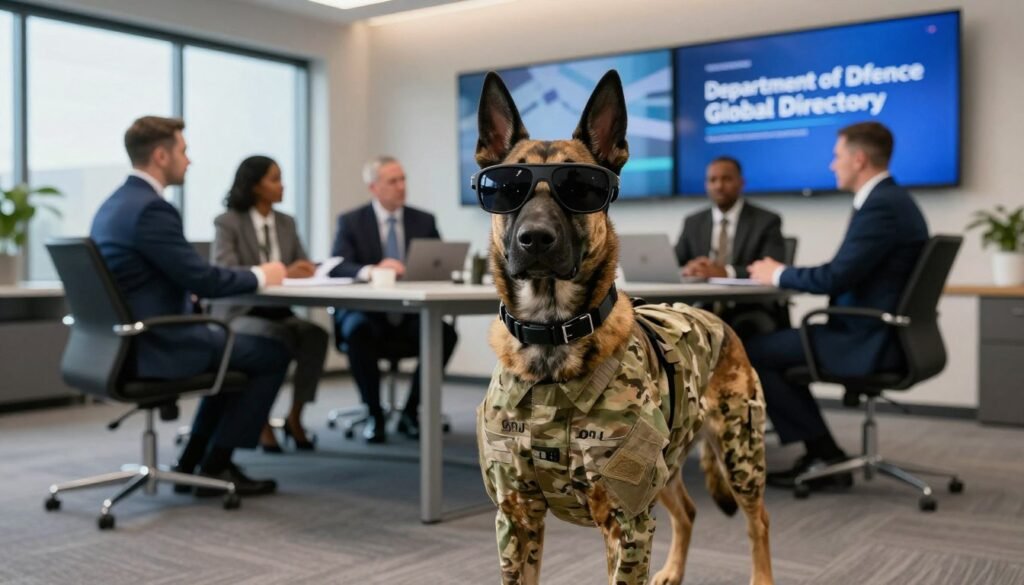
Leaders sifted through hundreds of images. Someone finally said, “Stop—this is the one.” The selected picture went live as the Department of Defense global directory login background. Overnight, that one face became a weirdly comforting daily touchpoint.
Thousands of users saw the same image every day. Reddit threads and morale patch sales (shout-out to Kat SL Creative’s “The Goodest Boy”) turned the photo into a small internet phenomenon. People sent emails and posts with good wishes, and the image answered back with quiet, steady charm.
| Origin | Date | Purpose | Impact |
|---|---|---|---|
| Al Asad Air Base | May 29, 2020 | Range familiarization & protection (goggles) | Selected for global directory; morale boost for thousands |
| Photographer | Spc. Derek Mustard | Capturing candid operational moments | Chosen from hundreds; shared widely by users |
| Protective gear note | Spc. Joseph J. Lane | Debris, harsh weather, night-fire familiarization | Explains why goggles were standard at the range |
Nick military working dog: Explosives detection missions and eight years of service
Fame was a background image—what mattered was the steady rhythm of alerts and searches over eight years in the U.S. Army.
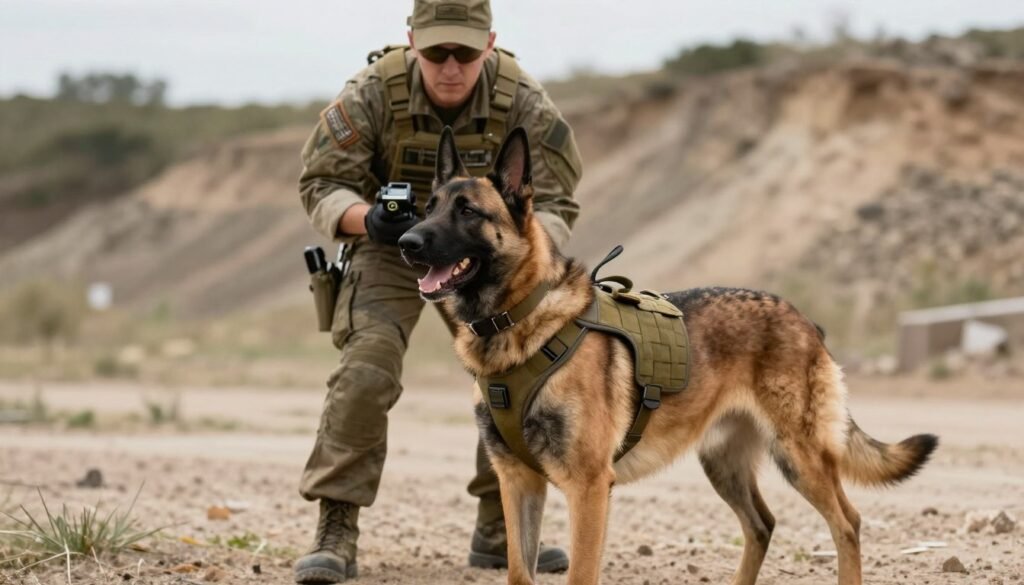
I watched a German Shepherd train to be an explosives detector and support EOD technicians. The job looked simple on paper: methodical searches, trained alerts, and passing findings to technicians who rendered things safe.
The résumé was wild in a practical way: 58 Secret Service missions, the NATO Summit, the Democratic National Convention, the United Nations General Assembly, state funerals, and the Army’s 250th celebration. Those assignments meant working crowded venues and protecting key personnel.
He also deployed nine months to Al Asad Air Base, Iraq, supporting the 5th Infantry Regiment, 1st Brigade Combat Team, 25th Infantry Division. That deployment was real operational support—searches that kept convoys and bases safer.
After seven years at Fort Meade, the value was obvious. This was a career built on routine excellence: daily sweeps that protected base personnel and let others do their jobs without finding threats first-hand.
| Role | Length | Key Missions | Impact |
|---|---|---|---|
| Explosives detection | Eight years | 58 Secret Service missions; NATO; DNC; UNGA | Protected personnel at events and on base |
| Overseas deployment | Nine months | Al Asad Air Base, Iraq | Supported 5th Infantry Regiment operational needs |
| Fort Meade service | Seven years | Daily base security | Reduced risk for personnel and visitors |
military working dog retirement at Fort Meade and the handler bond behind the headline
When the squad gathered at Club Meade for the send-off, you could tell it was personal, not just procedural.
The Fort Meade retirement ceremony and why the turnout mattered
The ceremony at Fort Meade began at 1 p.m. and was open to anyone with base access. The base even offered a livestream for folks who couldn’t make it in person.
The turnout felt real—people applauding like they knew a teammate. That reaction showed how much this retirement meant to the community.
Handler perspective: Staff Sgt. Justin Peyton on working style, motivation, and trust
Justin Peyton described the partnership plainly: treats weren’t the driver—pets were. Peyton said the animal wanted to please, which made certification and daily work smooth.
Leadership reflection: unit standards, operational demands, and team performance
“His career reflected the unit’s high standards and operational lethality,” Capt. Patricio Quezada said.
That quote summed up why standards, patience, and trust mattered in service across the years.
Adoption after service: handler priority and joining the Peyton family
Handlers get priority for adoption, and this retiree moved straight into the Peyton household with Justin, Lauren, and their two children. The partnership shifted from duty to family life.
Life after duty: transitioning to home life with Lauren and their children
Lauren said knowing he kept Justin safe made the quiet days that much sweeter. The plan was simple: calm routines, patience, and lots of pets.
Nick retires into a comfortable life, and the ceremony wasn’t just an end—it was a community saying thanks for years of steady work.
Conclusion
By the time he left base life, that one goofy photo had quietly threaded itself into a lot of people’s mornings.
His real work—years keeping teams safe on patrols and at big events—was never flashy. Still, the image doubled as a tiny morale boost for folks logging in across the world. That odd overlap turned serious service into a gentle daily reminder: we matter to each other.
Behind the smile was a full crew: the handler, the trainers, unit standards, and long hours showing up. In the end, the best possible ending was simple — go home, get pets, nap hard, and let the people he protected return the favor. If you’ve ever needed a random face to reboot your brain at login, you’re in good company.
