
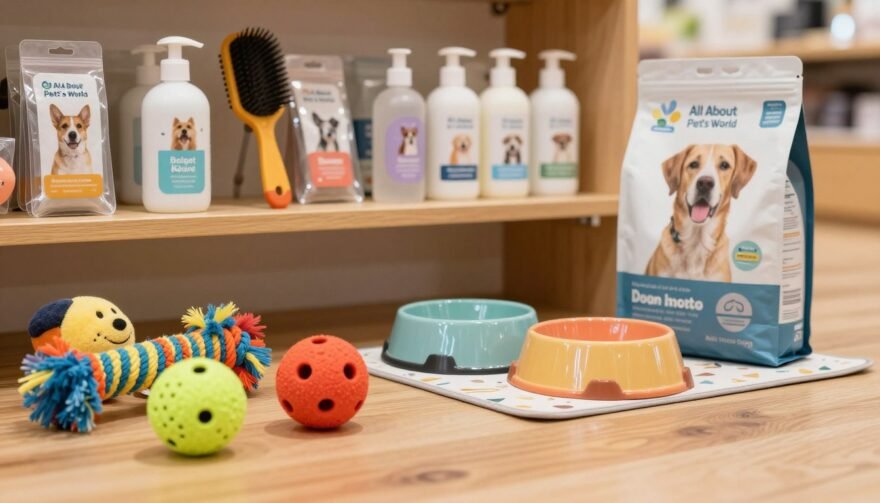
I noticed my monthly pet costs creeping up, so I started hunting for smart swaps that keep quality high and waste low. A Total Vet survey cited in The Penny Hoarder found 34% of pet owners looked for cheaper options for pet food, and that hit home for me.
I framed this as a buyer’s guide I could actually use. I focus on five areas—nutrition, enrichment, sleep comfort, grooming, and everyday gear—so I can jump straight to what affects my budget most.
Budget-friendly doesn’t mean risky. I prioritize durability, safe materials, and easy cleaning over trends. I’ll share practical numbers and habits like bulk buying and cost-per-use thinking to help me save money over time.
Expect simple DIY dog gear steps with clear guardrails, checks for wear, and real choices that don’t look cheap but cut brand markups. This guide gives the information I need to decide what to buy, skip, or make at home.
Key Takeaways
- I’ll cover swaps for food, play, sleep, grooming, and daily gear to lower my monthly spend.
- Safe, durable choices beat flashy brands—focus on cost per use.
- I include one practical stat and clear money-saving habits like bulk buying.
- Simple DIY dog gear steps and wear-check guardrails keep my pet safe.
- Many affordable options avoid markups and still look and perform well.
How I Decide What’s “Worth It” When Shopping for Dog Supplies on a Budget
I use a few clear rules to decide whether an item earns a spot in my cart. I want products that last, meet my pet’s needs, and don’t force repeated replacements.
My quick cost-per-use test for gear and accessories
Instead of staring at the sticker price, I calculate cost per month of use. If a leash, bowl, brush, or bed is used daily, I divide the purchase price by expected months of service to get true cost.
When “cheap” becomes expensive
I judge quality fast: check stitching, hardware, washable surfaces, and availability of replacement parts. If an item splits, sheds fibers, or splinters, it costs more in time and replacement money.
Where I’ll spend more — and where I won’t
I pay up for nutrition and safety — food that my vet approves, dental tools that work, and safety-critical gear. These choices protect long-term dog health and cut vet visits.
- Refuse to overspend: aesthetics, influencer “must-haves,” or novelty items that add no daily value.
- Quick checkout checklist: make sure it is safe, cleanable, the right size, and built to last.
Shopping smart isn’t deprivation. It’s buying fewer, better items so I save money and worry less. Fellow owners can use these rules to swap premium for practical without risking health or safety.
Budget-friendly dog supplies, DIY dog gear, Cheap dog food alternatives
I start every swap by locking down what keeps my pet healthy long term. That means nutrition first, then comfort, enrichment, and basic hygiene. I build my list around what actually affects my dog’s life every day.
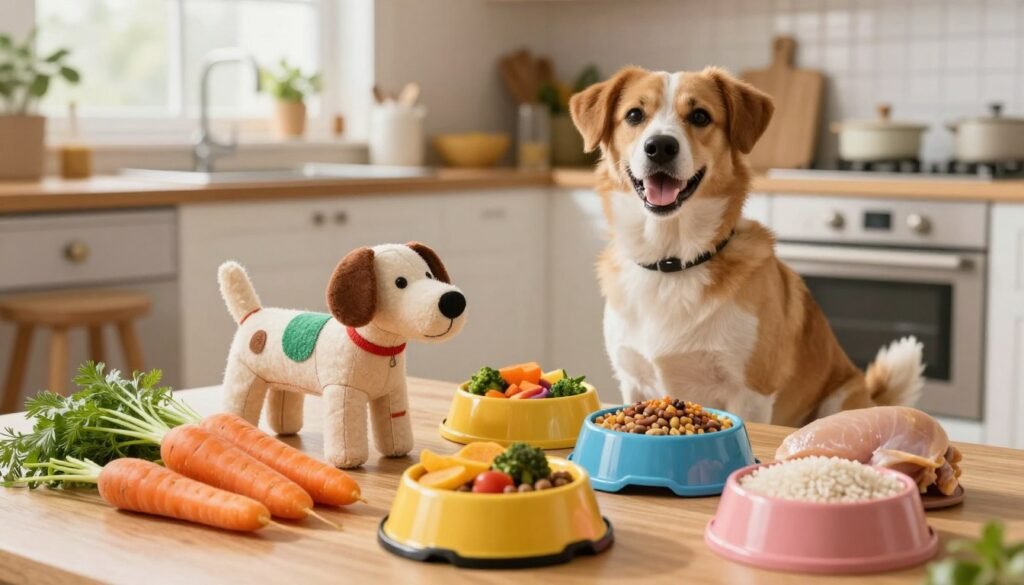
What I prioritize first: nutrition, comfort, enrichment, and basic hygiene
I feed my dog well before I trim other costs. Whole Dog Journal notes the value of clear nutritional adequacy statements, so I look for “complete and balanced” on the bag.
After food, I focus on a comfy sleep spot, then enrichment toys and simple grooming. The best dog life is routine meals, a cozy bed, playful time, and clean skin and teeth.
My baseline checklist for safe materials and easy cleaning
- Non-toxic, chew-safe materials: nothing that flakes or sheds small parts.
- No tiny pieces: avoid items with breakaway bits that cause choking hazards.
- Washable surfaces: if I can’t clean it easily, it will smell and wear faster.
- Scan ingredients: I check the ingredient list and life-stage language so I pay for true nutrition, not marketing.
DIY is a tool, not a rule. I make simple toys or beds when it’s safe and saves money, but I buy one durable item if it protects health or lasts for years. This approach reduces waste and keeps my pet healthy without overspending.
Nutrition swaps that cut my monthly dog food costs without cutting quality
Small changes in how I buy and store food cut my monthly bill without sacrificing quality. I buy kibble in bulk, then transfer it immediately into an airtight bin to lock freshness and avoid waste.
Smart buying and safe transitions
I compare price per ounce and calories per cup so I don’t buy a low-cost bag that needs larger servings. When switching brands, I use a slow 10-day transition: increase the new food a bit each day.
Stretching quality and stacking savings
I often mix a small amount of a premium topper with a quality store brand to stretch meals. I also use autoship discounts, store loyalty points, coupons, and cash-back cards to lower monthly outlay without changing the core diet.
| Strategy | What I do | Typical saving | Notes |
|---|---|---|---|
| Bulk kibble | Buy 20–40 lb bags, store airtight | 10–20% per ounce | Reduce spoilage and trips to store |
| Store brands | Pick meat-first formulas after reading labels | 5–15% | Check protein and life-stage fit |
| Mixing + toppers | Blend premium with standard kibble | Varies—extends premium bag | Watch protein density; adjust portions |
| Discount stack | Autoship + coupons + cash-back | 5–25% | Combine for best monthly savings |
I work with my vet when changing diets. The AKC notes 56% of pets are overweight, so feeding the right amount saves money and protects weight and health.
Cheap dog food alternatives I actually use for treats and toppers
Simple homemade toppers saved me money while keeping meals exciting and nutritious.
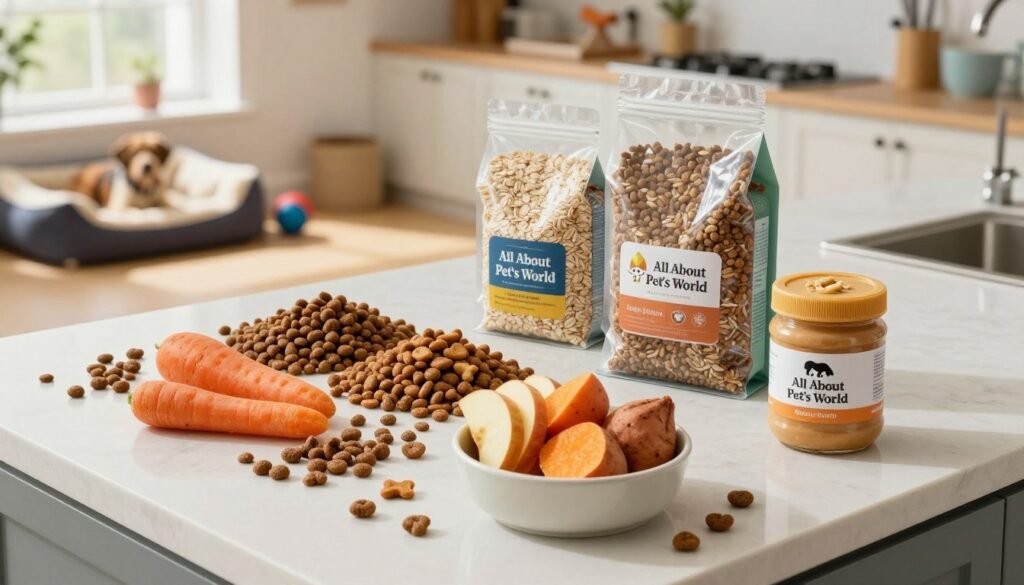
High-protein treats I make: I slice boneless chicken breasts thin, cook or oven-dehydrate them, then cut into training-sized strips. These chicken pieces are meat-first, portable, and far cheaper per bite than store packets.
Vegetable treats from my kitchen
I bake sweet potato slices until tender and crisp. I also steam or roast carrot sticks and green beans as crunchy snacks. These foods add fiber and variety without raising my monthly tab.
When freeze-dried or dehydrated toppers make sense
Freeze-dried foods are very high in protein and fat and cost more, but I use them sparingly as toppers or high-value rewards. For picky eaters or short training sessions, a teaspoon goes a long way.
How I check protein and fat for life stage
I read labels for guaranteed protein and fat percentages to match my dog’s life and activity. If my pet gains weight easily, I pick lower-fat toppers or trim daily meal portions when I add treats.
| Option | Use case | Cost note |
|---|---|---|
| Dehydrated chicken | Everyday training treats | Low cost per treat when homemade |
| Baked sweet potato | Low-calorie snack / topper filler | Inexpensive and filling |
| Kitchen veggie scraps | Crunchy rewards (carrots, green beans) | Free from regular grocery items |
| Freeze-dried toppers | High-value, small-portion boosts | Higher price; use sparingly |
Safety note: If I buy raw-style freeze-dried foods, I prefer brands that use HPP or documented kill-step processing to reduce pathogen risk—especially if someone at home is immune-suppressed.
Practical tip: I portion toppers with a measuring spoon and reduce meal portions during heavy training so treats don’t push total daily calories too high.
How I read dog food labels to avoid paying more for marketing
A quick label check cuts through marketing and points me to the ingredients that matter.
I look first for a nutritional adequacy statement such as “complete and balanced” plus a clear life-stage target. That tells me the product meets minimum standards for my dog’s current life stage and energy needs.
First-ingredient shortcut
I scan the ingredient list for meat-first recipes and fewer filler items. If the first ingredient is a named protein, I feel better about quality per serving.
Reading protein and fat numbers
I compare guaranteed protein and fat percentages. Dehydrated and freeze-dried formulas often show higher protein and fat levels, which can be great for active dogs but too rich for sedentary pets.
Other checks before I buy
- I read reviews for digestion, coat, and stool results before trusting hype.
- I prefer brands with transparent sourcing, clear feeding guidelines, and reachable customer service.
- I calculate cost per serving, not just cost per bag, to judge monthly spend.
| Label element | What I expect | Why it matters |
|---|---|---|
| Nutritional statement | “Complete and balanced” + life-stage | Confirms formulation meets basic needs |
| First ingredient | Named meat or meat meal | Indicates protein-forward recipe |
| Protein / Fat (%) | Matches activity and body condition | Prevents unwanted weight gain or nutrient gaps |
| Transparency | Feeding guide, sourcing, contact info | Shows trustworthiness and support |
If a label is vague or missing clear data, I move on. Clear information beats branding every time, and a short vet consult helps when protein or fat levels look off for my pet’s life and activity.
Entertainment swaps: free and low-cost enrichment that beats overpriced toys
Most of my enrichment comes from household items and a short burst of my time each day. That approach saves money and keeps my dogs curious. My pet doesn’t care about logos—novelty and attention matter far more.
Make a sturdy tug from old T‑shirts
I braid three thick T‑shirts into a tight rope and knot each end. I choose heavy fabric and trim loose threads. During play I supervise closely to make sure nothing gets swallowed.
Quick cardboard box games
Hide treats in folded boxes for a simple puzzle. Cut holes for sniffing, stack small boxes for a discovery course, or let safe shredding time under watch. These options take minutes to set up and cost nothing.
Toy rotation and bargain hunting
I keep a small bin of “active” toys and swap weekly so items feel new. For multi‑dog homes I duplicate only favorites to reduce fights and stretch my budget.
| Enrichment | Why I use it | Cost / Notes |
|---|---|---|
| Braided T‑shirt tug | Durable, high play value | Free; supervise for loose threads |
| Cardboard puzzles | Engages nose and brain | Zero cost; recycle boxes |
| Rotation bin | Keeps toys novel | Low cost; buy fewer items |
| Discount finds | Replacement options | Check durability at clearance |
What I avoid: brittle plastics, tiny squeakers, and sharp-break items. I shop discount stores and post‑holiday clearance and check durability before I grab a deal. Most entertainment wins come from my time, not a spending spree.
Comfort swaps: cozy sleep setups without designer dog beds
I built a cozy sleep spot using thrift finds and simple layers that wash easily. This approach gives my pet steady comfort at a much lower price and with less fuss.
Thrifted blankets and washable layers that last
I hunt for thick blankets, quilted throws, and fleece that feel soft after many washes. I check seams and fabric labels so the items hold up to repeated cycles.
Tip: keep two sets of covers so one is always in the wash and the bed stays ready.
Quick bed build using old pillows and towels
I stuff an old pillow or two into a durable cover, add folded towels for padding, and finish with a removable outer layer. This setup is cheap to replace and easy to clean.
Make sure there are no zippers, buttons, or loose stuffing within reach of chewing pets.
Why I like durable moving blankets from hardware stores
Moving blankets are rugged, roomy, and cost-effective. They resist nails, digging, and rough play better than many pet-branded cushions.
I match materials to habits: a chewer gets a heavy-duty cover, a digger gets a low-profile pad, and a neat sleeper gets a plush layered set. That saves time and cost in the long run.
- I prioritize washable, long-wearing textiles for lasting quality.
- I inspect for removable layers so cleanup is fast.
- I balance comfort and durability to avoid replacing beds often.
Grooming swaps: what I do at home instead of paying for every service
A simple weekly routine let me skip many salon visits without sacrificing coat care. Doing basic tasks at home saves me money and helps catch small problems before they grow.
My basic at-home grooming routine for coat and nails
I brush my dog two to three times a week to prevent mats and reduce shedding. I do quick coat inspections for bumps, ticks, and skin redness.
I trim nails every 3–6 weeks depending on wear and activity. I check ears for odor or discharge and clean only when the ear looks dirty.
Dental care on a budget with soft human toothbrushes
I use a soft human toothbrush that fits the mouth and dog-safe toothpaste. Brushing a few times a week keeps gums healthy and cuts future vet bills.
Muddy paw cleanup using repurposed household towels
I keep a stack of old towels by the door. A quick rinse, towel dry, and short brush session stops dirt from spreading and reduces full baths.
Safety note: I make sure tools are clean and sharp and I follow simple guides so I don’t hurt my pet. If gums look pale, nails bleed, or skin shows spreading redness, I call the vet—owners should not guess on medical issues.
Consistency beats perfection. A little time each week protects long-term health and saves money while giving people more options than frequent professional visits.
DIY dog gear swaps: leashes, bowls, and accessories that don’t look “cheap”
Small, well-made swaps at home keep costs low and quality high. I only make what I can build strong, inspect easily, and test safely before real walks.
Making a sturdy leash from hardware-store rope
I pick 3/8″ to 1/2″ braided nylon or polyester rope for strength and low stretch. I avoid thin cord that can fray under stress.
My knot and wear checks: use a bowline or figure-eight on a bight, melt or whip the ends, and add a heavy-duty carabiner rated for outdoor use. Before each walk I inspect the collar end, midline, and handle for fuzzing, abrasion, or soft spots.
Test at home: I try a controlled pull against a sturdy post and watch for slippage or stretching. I never use a new leash in a busy or risky setting until it passes that home test.
Why I stick with standard stainless steel bowls
Stainless steel wins for long-term value. They resist odors, don’t chip, and clean easily in the dishwasher.
Cleaning routine: wash daily with hot, soapy water, rinse, and air-dry. For buildup I soak in a 1:1 water–vinegar mix for 10 minutes, rinse, then wash again. That keeps bowls sanitary and extends their price-to-use ratio.
Bandanas and small accessories from fabric scraps
I cut simple triangular bandanas from quilting cotton or an old shirt, hem the edges, and use a slip-on collar loop so nothing dangles. Clean lines and neutral prints make them look intentional, not cheap.
Realism check: I avoid DIY for harnesses, car restraints, or anything that must pass a safety standard. One failure can cost more in money and risk than buying a quality product once.
- What I DIY: leashes, simple toys, bandanas—items I can inspect and replace cheaply.
- What I buy: safety-critical equipment and stainless bowls for hygiene and durability.
Conclusion
,My top rule is simple: protect nutrition first, then trim costs across the rest of daily care.
I prioritize a complete and balanced diet, read labels, and do a quick cost-per-serving check before I buy. I buy bulk kibble into airtight bins, try store-brand upgrades with solid ingredients, and stack autoship or loyalty discounts to lower the monthly price without cutting quality.
I watch protein and fat levels when I use toppers or freeze-dried treats, monitor weight, and call the vet before major diet changes. For treats, I make dehydrated chicken and baked sweet potato at home to control ingredients and cut cost.
Finally, simple enrichment, thrifted bedding, and steady attention matter more than labels. My dogs respond to time and consistency—those are the best upgrades I can give for free.
