

I’ll show you a quick, no-nonsense method that works in about five minutes. I tried this while juggling coffee and a leash, and yes, I looked ridiculous — but the result was calm behavior and clearer communication with my pup.
Short, focused sessions make attention better and boredom rarer. With treats, a quiet corner, and a clear release cue, you can build obedience without turning the living room into bootcamp.
Think tiny steps, fast rewards, and consistent cues. I’ll explain what the command really means (it’s not an eternal statue pose) and give you a simple routine you can repeat daily for steady progress.
Key Takeaways
- Short five-minute sessions boost focus and reduce boredom.
- Clear cues and a release word prevent confusion.
- Fast rewards and consistency build lasting obedience.
- A calm space and calm handler speed progress.
- End each session on success so practice stays fun.
Why the “Stay” Command Matters for Safety and Everyday Obedience
A solid “stay” is the safety net that stops door mayhem before it starts. It’s not about being strict; it’s about being clear. Simple cues save you from frantic lunges at the door, messy car exits, and those awkward moments when your hands are full and chaos decides to make an appearance.
Wait at the door helps prevent classic door-dashing. A formal hold is useful when you need a dependable pause—like at thresholds or curbside exits. Short, upbeat sessions set dogs up to win and keep practice pleasant for both of you.
- Safety: Stops escapes at doorways and car exits.
- Control: Gives you clear communication without yelling or tugging.
- Reliability: Small, consistent practice turns cues into calm habits.
In plain terms: clear cues and tiny wins beat confusion every time. Do a little often, reward the right moment, and life gets smoother—for you and your canine companion.
What You Need to Start Stay Training Today
You can get going right now with three essentials: tiny treats, a distraction-free room, and a clear release word.
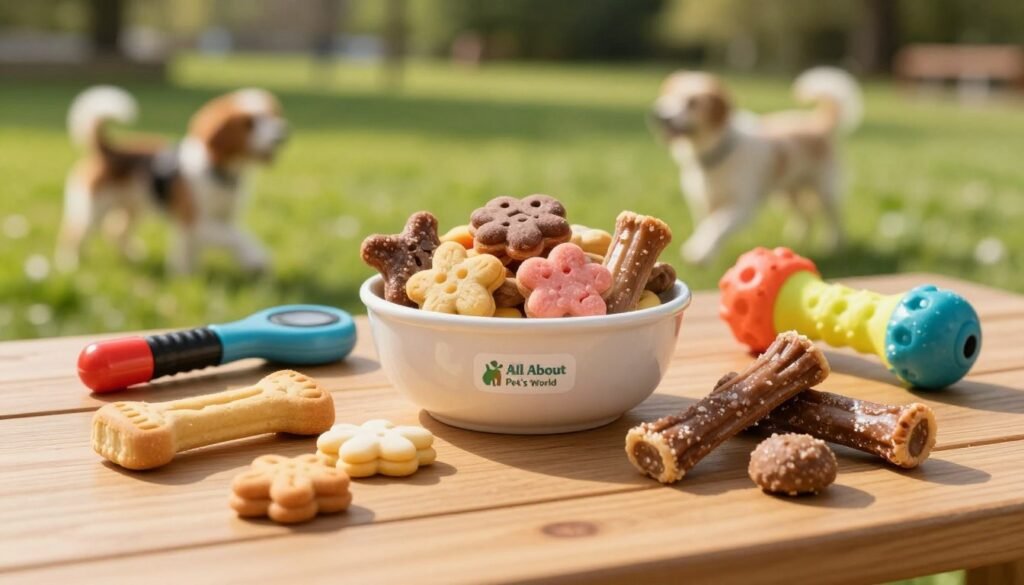
Training treats your dog actually loves
Small, soft, chewy bits are best — quick to eat so you’re rewarding in the first seconds and not watching a snack parade.
Rotate flavors (chicken, cheese, tiny kibble) if your pup is picky; find the one that earns full attention.
Choose a quiet room with minimal distractions
Pick a single room with no other people or animals in sight. Turn off TVs and radios so distractions don’t steal focus.
Use a marker word and a clear release cue
Use a crisp marker like “Yes!” to mark the exact moment. Then pick one release word — “OK,” “Free,” or “Break” — and use it every time.
“Short, calm sessions and clear cues make learning fast and painless.”
- Make sure your reward delivery doesn’t pull them out of position.
- Keep practice upbeat and under five minutes so focus stays high.
| Essential | Why it matters | Quick tip |
|---|---|---|
| Treat | Fast reward for correct timing | Use soft food that melts fast |
| Room | Limits distractions for early success | Close doors; silence devices |
| Release cue | Gives an on/off switch for the hold | Pick one word and stick with it |
dog training, teach stay, how to train a dog, 5 minute dog training
Start with one calm sit and reward the exact moment it happens.
Get your pet into a tidy sit. Say your verbal cue, add a clear hand signal (palm out), then pause for 1–2 seconds.
Step back just a hair. If the pet holds position, mark it and give a tiny treat at nose level so they don’t pop up. That immediate reward in the first seconds builds a solid memory fast.
How to layer sit, cue, and hand signal
Ask for the sit, show the palm, say the cue once, then wait. Keep your body relaxed so this works in everyday life — not only when you’re staring like a traffic cop.
| Step | Why it works | Quick tip |
|---|---|---|
| Start with dog sit | Sets an easy, reliable position | Use soft treats that are quick to eat |
| Add a hand signal | Gives a visual anchor | Use palm out; fade later |
| Reward in seconds | Reinforces the hold immediately | Deliver at nose level; stay calm |
Short reps, lots of wins — that’s the real 5 minute dog training vibe.
How to Teach “Stay” Step by Step in a 5-Minute Session
Here’s a compact, repeatable script you can use every day without drama. Keep your session under five minutes, upbeat, and end on a clear win.

Start from the sit and add clear cues
Ask for a sit, say the verbal cue once, and flash the palm hand signal. Count a steady beat in your head like you’re waiting for popcorn.
Take one small step back, return, and reward
Take a half-step or one-step back—no moonwalks. Immediately come back, mark the moment with a crisp word, and give treat at nose level. Returning prevents luring the pet out of position and keeps the reward honest.
Repeat several times and finish with the release
Do 3–5 reps so the animal links the cue with holding still. Repeat several times, then use your release word so they learn the on/off switch.
Keep it short, upbeat, and finish with success — the last rep is what they remember.
| Action | Why it works | Quick tip |
|---|---|---|
| Sit + cue | Creates a reliable start position | Say cue once; use palm signal |
| Small step back | Adds distance without panic | Half-step, then return to deliver reward |
| Repeat & release | Builds a reward history for staying | 3–5 reps; end on a win with release |
Build a Reliable Dog Stay Using Duration, Distance, and Distractions
Start small: build time, then distance, then distractions — in that order. Begin with short holds and add roughly one second at a time. Aim for about ten seconds of clean position before you try any movement.
Duration first. Add seconds in tiny steps. Big jumps break position. If your pup loses focus, reset calmly and make the next rep easier — no scolding, just a gentle do-over.
Distance next
Once duration is solid, take one step back, then two, then a few. Always return to deliver the reward at the animal’s nose so you don’t accidentally reward the break. Don’t call them; walk back and reward in place.
Distractions last
Add small, real-world challenges: a clap, a brief jog in place, or a friend walking by. Increase distractions slowly so success stays frequent and fun.
Practice both sit and down
Work the hold in both positions so the cue generalizes across situations. Change rooms or go outside? Drop difficulty and rebuild — expect a short brain reboot; that’s normal.
“This is where 1.7 seconds becomes a useful pause in everyday life.”
- Tip: +1 second, +1 step, then a tiny distraction — rinse and repeat.
- Reset calmly when the position breaks; mistakes are data, not betrayal.
- Consistency and short sessions beat marathon drills every time.
“Stay” vs. “Wait”: Which Cue Should You Use and When?
Let’s stop using the words interchangeably—your pup notices the difference, and so should you. One cue is a quick safety pause. The other is a formal hold until you give the release.
“Wait” is your everyday pause button: doors, food bowls, and car exits. Use it when you need a short, safe delay so chaos doesn’t explode the moment the threshold opens.
Everyday pauses for doors, bowls, and car exits
Think of this as a temporary red light. It’s fast, practical, and perfect for real life when you have your hands full.
Teach this cue first if you want quick wins and fewer emergency lunges at exits.
Formal holds for more precise control
“Stay” is the formal version: a strict hold until you return and release. Use it when you need exact position control for longer periods.
It’s more demanding, so add it after short pauses are reliable.
“Cues mean what you consistently teach them — pick clear definitions and stick to them.”
- Don’t treat the two as synonyms — consistency wins.
- Teach the pause for safety first, then layer in the formal hold.
- Using both cues correctly reduces confusion and makes daily life smoother.
Common Stay Training Mistakes That Slow Progress
Rushing ahead is the fastest way to turn wins into confusion—and I’ve been there.
Mistake #1: Rushing the steps and adding time, distance, and distractions too quickly. Big jumps break behavior. Make sure you add one small step at a time and keep sessions short.
Mistake #2: Repeating the command like a stuck record. Don’t chant the cue. Reset, simplify the step, and let success rebuild the link between cue and action.
Mistake #3: Accidentally rewarding the break—classic floor treat theft. If the pet breaks, calmly reset without reward. Block access and save the best treat for honest holds.
Mistake #4: Training during hype mode. Post-zoomie energy or leash excitement ruins focus. Pick calm moments so the animal can actually think.
“Short sessions, gentle difficulty bumps, and no snacks for escape artists—consistency beats chaos every time.”
| Mistake | Why it slows progress | Quick fix |
|---|---|---|
| Rushing steps | Breaks the behavior chain | Reduce time/distance; +1 second, then stop |
| Repeating cues | Creates noise, not learning | Reset and lower criteria |
| Rewarding the break | Teaches escape = treat | Withhold reward; close off floor treats |
| Training when hyped | Focus is zero | Choose calm moments; end on success |
Conclusion
Short, steady practice builds real manners faster than marathon sessions ever will.
Spend a little focused time each day with treats, a calm room, and a single clear cue and release word. The simple loop is: set the position, cue with a hand signal, step back, mark and give a reward, then repeat while adding seconds and distance.
Don’t rush or repeat the cue like a broken record. If things fall apart, scale back, use better food, and make the next rep easy. Return to reward rather than calling; it strengthens the hold.
Five minutes of clean practice builds safer doors, calmer exits, and real obedience—plus a happier pup and less chaos for you.
